
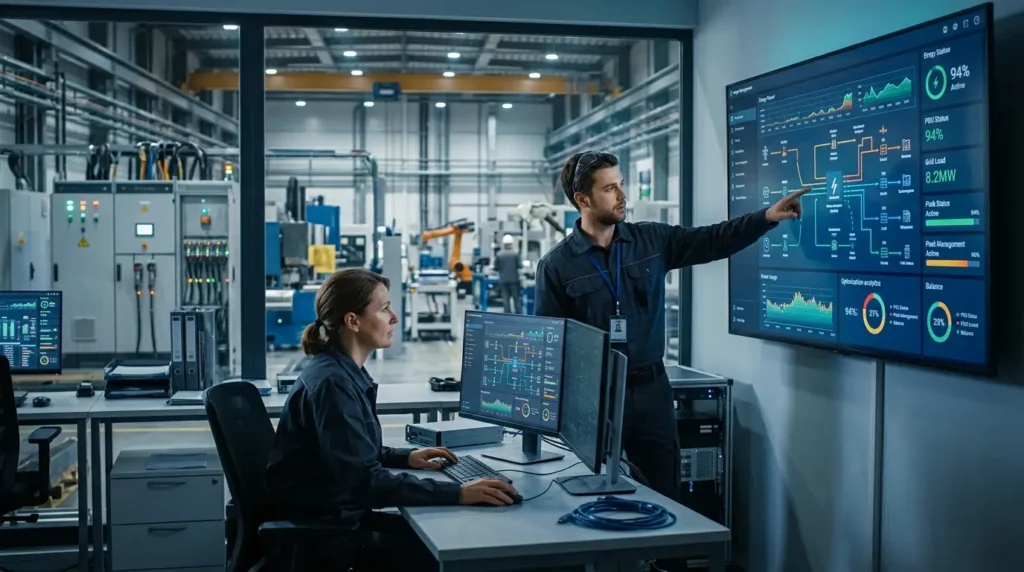
In industrial environments, electricity plays a central role in maintaining productivity, operational stability, and overall business efficiency. As industries grow and adopt more advanced machinery, automation systems, and continuous production processes, the demand for reliable and optimized electrical systems increases significantly. However, simply having enough power capacity is not sufficient to ensure smooth operations. The real challenge lies in managing how that power is distributed and utilized across different systems within the facility.
Efficient Power Distribution electrical usage has become a critical requirement for industries because uncontrolled power consumption leads to higher operational costs, equipment stress, and unstable system performance. Many industrial facilities experience issues such as uneven load distribution, unexpected power spikes, voltage fluctuations, and increased peak demand charges. These issues not only affect financial performance but also reduce the reliability of electrical infrastructure.
Modern load control strategies focus on addressing these challenges by ensuring that electrical energy is distributed in a structured and balanced manner. Instead of allowing all machines and systems to operate simultaneously without coordination, the power demand is regulated based on priority, capacity, and operational requirements. This creates a stable environment where energy is used more efficiently and supports Efficient Power Distribution across the facility.
Industrial operations depend on multiple electrical systems working together at the same time, including motors, compressors, pumps, HVAC systems, lighting networks, and automation equipment. When these systems operate without proper coordination, the electrical network becomes unstable and inefficient, leading to unnecessary strain on infrastructure and increased risk of failure.
Load control plays an essential role in maintaining balance within the electrical system by ensuring that power is distributed according to operational needs. It prevents situations where multiple high-load machines operate simultaneously without consideration of system capacity, which can lead to overload conditions and sudden interruptions.
Stable electrical performance is achieved when power demand is evenly distributed across all phases and systems. Load control helps maintain this balance by continuously monitoring consumption patterns and adjusting distribution accordingly. This reduces fluctuations in voltage and minimizes stress on transformers and distribution equipment.
When electrical stability is maintained, industries experience smoother operations with fewer interruptions, improved equipment performance, and reduced maintenance requirements. This creates a more reliable production environment where Efficient Power Distribution supports continuous productivity.
Peak demand is one of the most significant contributors to high electricity costs in industrial facilities. Even when total energy consumption remains within acceptable limits, short periods of high demand can significantly increase billing charges and place unnecessary stress on electrical infrastructure.
Load management systems help address this issue by controlling how and when electrical loads are activated. Instead of allowing multiple heavy-load machines to start simultaneously, the system ensures that demand is distributed over time in a controlled manner. This prevents sudden spikes and helps maintain a more consistent consumption pattern throughout the operational cycle.
When demand levels are controlled effectively, industries benefit from more predictable and stable electricity costs. Reducing sudden spikes not only lowers billing expenses but also improves the efficiency of transformers and distribution systems. Equipment experiences less stress during operation, which helps extend its lifespan and reduces the frequency of maintenance interventions.
Controlled demand also supports better financial planning because energy costs become more stable and easier to manage. This allows organizations to allocate resources more efficiently while maintaining Efficient Power Distribution throughout operations.
Electrical stability is a critical factor in ensuring uninterrupted industrial operations. When power distribution is uneven or poorly managed, it can lead to voltage fluctuations, equipment malfunction, and increased system failures. These issues directly impact productivity and operational reliability.
Load management systems improve stability by continuously analyzing electrical demand and adjusting load distribution in real time. This ensures that no single part of the system becomes overloaded while others remain underutilized, creating a balanced operational environment.
Balanced load flow helps maintain consistent voltage levels across the entire system, reducing the risk of sudden drops or surges. This creates a stable operating environment for sensitive industrial equipment, ensuring that machines perform efficiently without unnecessary interruptions.
As stability improves, equipment operates under optimal conditions, which reduces wear and tear and enhances overall system reliability. This contributes directly to Efficient Power Distribution and long-term operational success.
Industrial equipment performs best when it operates under controlled electrical conditions. When power distribution is uneven or excessive, machines are forced to operate under stress, which reduces efficiency and increases the likelihood of breakdowns.
Load management ensures that each piece of equipment receives the appropriate level of power based on operational requirements. This helps maintain smooth performance and reduces unnecessary strain on mechanical and electrical components.
Energy optimization has become a key focus area for industries aiming to reduce operational costs and improve sustainability. Uncontrolled energy consumption leads to unnecessary waste, higher electricity bills, and reduced system efficiency.
Load control systems help optimize energy usage by ensuring that power is consumed only when required and in appropriate quantities. This prevents unnecessary operation of machines and reduces idle energy consumption across the facility.
Sustainable energy usage is achieved when electrical systems operate efficiently without wasting resources. Load management supports this goal by balancing energy demand and reducing unnecessary consumption across all operational areas.
As industries adopt more efficient energy practices, they not only reduce costs but also contribute to environmental sustainability. This creates long-term benefits while supporting Efficient Power Distribution across industrial infrastructure.
Modern industrial load management relies heavily on intelligent monitoring systems that continuously track electrical parameters in real time. These systems collect data on voltage levels, current flow, load demand, and overall consumption patterns to ensure accurate control.
Based on this information, the system automatically adjusts load distribution to maintain balance and prevent overload conditions. This eliminates the need for manual intervention and improves response time during changing operational conditions.
Real-time adaptation allows industrial systems to respond instantly to changes in demand. When fluctuations occur, the system adjusts automatically to maintain stability and prevent disruptions.
This level of responsiveness ensures that industries can maintain continuous operations without delays or interruptions while achieving Efficient Power Distribution under varying load conditions.
One of the most important advantages of load control is cost efficiency. When electrical energy is managed properly, industries can significantly reduce their operational expenses and improve financial performance.
Uncontrolled power usage often leads to unnecessary energy waste, higher peak demand charges, and increased equipment maintenance costs. Load management eliminates these inefficiencies by ensuring that energy is used in a structured and optimized manner.
Over time, Efficient Power Distribution usage results in substantial cost savings for industrial organizations. Reduced energy consumption lowers monthly expenses, while improved equipment performance reduces maintenance and repair costs.
This combination of savings creates a strong financial advantage, allowing businesses to invest resources in growth and expansion rather than operational inefficiencies. Effective load control and Efficient Power Distribution work together to deliver these benefits.
Transform your industrial electrical infrastructure with innovative, reliable, and customized solutions from SM Electricals. Our expert team is ready to help you achieve safer operations, better efficiency, and long-term performance.
Copyright © 2025 Smele. All rights reserved.Powered by Surya Digital Solutions.
WhatsApp us
