
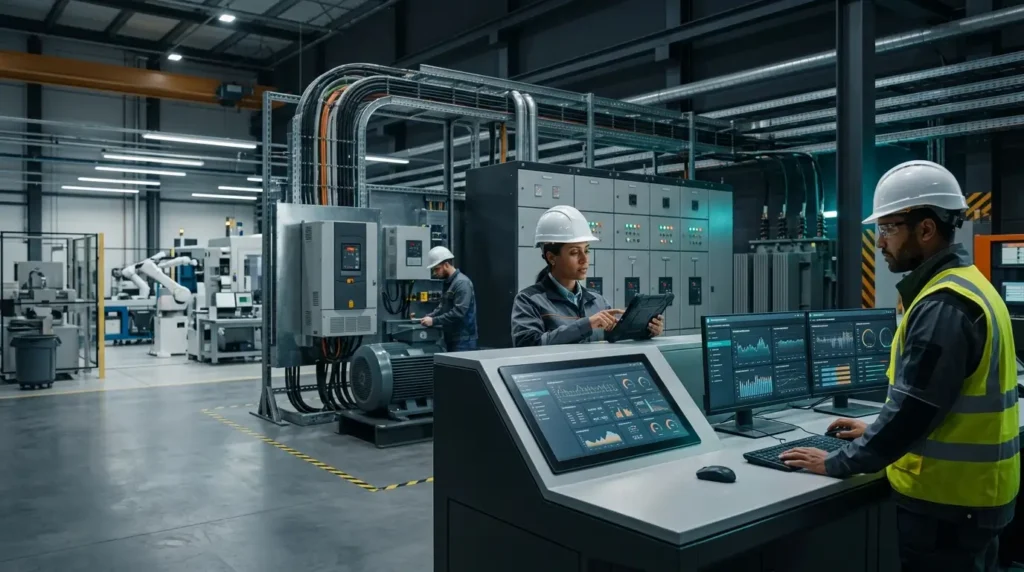
A reliable Industrial Electrical System is one of the most important foundations of any successful industrial operation. Modern manufacturing facilities, processing plants, warehouses, and production units depend on a stable flow of electricity to maintain productivity and operational continuity. Without a properly managed Industrial Electrical System, even the most advanced machinery can experience performance issues that affect overall business efficiency.
As industrial environments become more complex, the expectations placed on an Industrial Electrical System continue to increase. Facilities are expected to support larger production capacities, advanced automation technologies, and continuous operational schedules without interruptions. This growing demand makes reliability a critical factor in long-term industrial success.
Many organizations focus on upgrading machines while overlooking the condition of the Industrial Electrical System that powers them. However, power instability, infrastructure weaknesses, and poor electrical performance often become the root cause of equipment failures and unexpected downtime. Strengthening the Industrial Electrical System helps industries improve productivity, reduce maintenance costs, and create a more stable operational environment.
SM Electricals understands the importance of building dependable electrical infrastructure that supports industrial growth and long-term operational excellence.
Every Industrial Electrical System operates under varying conditions throughout the day. Changes in load demand, environmental conditions, and equipment usage patterns can create stress within the electrical network. While these changes may appear small individually, their cumulative effect can significantly impact overall system reliability.
Many reliability issues begin as minor electrical irregularities that remain unnoticed for extended periods. Loose connections, aging components, insulation degradation, and uneven load conditions gradually affect the performance of an Industrial Electrical System. If these issues are not identified early, they can develop into larger problems that disrupt production activities.
A well-maintained Industrial Electrical System is designed to handle routine operational variations efficiently. However, repeated exposure to voltage fluctuations, overheating, or load imbalances can weaken system performance over time. These disturbances often affect equipment gradually before eventually leading to unexpected failures.
By identifying and addressing minor issues early, industries can protect the Industrial Electrical System from long-term damage and improve overall operational reliability.
The strength of an Industrial Electrical System depends largely on the quality of its infrastructure. Electrical panels, switchgear, transformers, cables, and protection devices must work together efficiently to support uninterrupted operations. Any weakness within this infrastructure can affect the entire facility.
Building a reliable Industrial Electrical System requires careful planning, proper component selection, and structured installation practices. Every part of the system must be capable of handling expected operational demands without compromising safety or efficiency.
A properly engineered Industrial Electrical System provides stable electrical conditions even during periods of high demand. Strong infrastructure helps maintain consistent power delivery while reducing the likelihood of unexpected shutdowns.
When industrial facilities invest in strengthening their electrical foundations, they create a more resilient operating environment capable of supporting long-term production goals.
Power quality plays a significant role in determining how effectively an Industrial Electrical System supports production activities. Even when electricity is available continuously, poor power quality can reduce efficiency and increase equipment stress.
Issues such as harmonic distortion, voltage imbalance, and electrical noise can negatively affect the performance of an Industrial Electrical System. These conditions may cause motors to operate inefficiently, increase energy consumption, and shorten equipment lifespan.
A high-performing Industrial Electrical System delivers clean and stable power to all connected equipment. Stable electrical conditions improve machine efficiency and help maintain consistent production output.
By improving power quality, industries can enhance the performance of the Industrial Electrical System while reducing operational risks associated with electrical disturbances.
Every Industrial Electrical System contains distribution pathways that transport electrical energy throughout the facility. These pathways must operate efficiently to ensure reliable power delivery to all operational areas.
As facilities expand, the demands placed on the Industrial Electrical System increase. New equipment, additional production lines, and higher power requirements can create vulnerabilities if the distribution network is not upgraded accordingly.
Regular assessment of an Industrial Electrical System helps identify overloaded circuits, aging equipment, and other weaknesses that may compromise reliability. Detecting these issues early allows organizations to take corrective action before major disruptions occur.
Proactive evaluation strengthens the Industrial Electrical System and helps maintain operational continuity across the facility.
The performance of individual assets provides valuable insight into the overall health of an Industrial Electrical System. Equipment such as transformers, control panels, switchgear, and motors all contribute to system stability.
Monitoring asset performance allows organizations to understand how effectively the Industrial Electrical System is operating under real-world conditions. Changes in temperature, energy usage, or operating characteristics often indicate developing issues.
A modern Industrial Electrical System benefits from continuous performance monitoring. Data collected from critical assets can reveal trends that support preventive maintenance and operational planning.
When organizations use asset information effectively, they improve the reliability of the Industrial Electrical System while reducing the risk of unexpected failures.
Industrial growth often places additional pressure on the Industrial Electrical System. Expanding production capacity requires infrastructure capable of supporting increased demand without compromising reliability.
Planning for future growth ensures that the Industrial Electrical System remains capable of meeting operational requirements as business needs evolve. Scalable infrastructure reduces the need for emergency upgrades and helps maintain efficiency during expansion projects.
A future-ready Industrial Electrical System is designed with flexibility and adaptability in mind. It provides the capacity necessary to support new technologies, additional equipment, and changing production requirements.
This forward-looking approach helps organizations maintain a reliable Industrial Electrical System while supporting sustainable business growth.
Downtime remains one of the most expensive consequences of an unreliable Industrial Electrical System. Production interruptions affect schedules, increase costs, and reduce overall efficiency.
Strategic planning helps organizations improve the reliability of the Industrial Electrical System by addressing potential risks before they impact operations. Maintenance programs, performance evaluations, and infrastructure improvements all contribute to stronger reliability.
Preventive measures help protect the Industrial Electrical System from failures that could disrupt production. Rather than reacting to problems after they occur, organizations can focus on preventing issues through structured planning and regular assessment.
This proactive approach supports continuous operations and strengthens overall business performance.
A strong Industrial Electrical System is essential for maintaining productivity, reliability, and operational efficiency in modern industries. From supporting critical equipment to ensuring stable power distribution, every aspect of industrial performance depends on the effectiveness of the Industrial Electrical System.
SM Electricals helps organizations build and maintain dependable electrical infrastructure that supports long-term operational goals. By improving the reliability of the Industrial Electrical System, industries can reduce downtime, enhance equipment performance, and create a more efficient and resilient operating environment.
Transform your industrial electrical infrastructure with innovative, reliable, and customized solutions from SM Electricals. Our expert team is ready to help you achieve safer operations, better efficiency, and long-term performance.
Copyright © 2025 Smele. All rights reserved.Powered by Surya Digital Solutions.
WhatsApp us
